How to Choose the Right Roof Ventilation System for Your Home
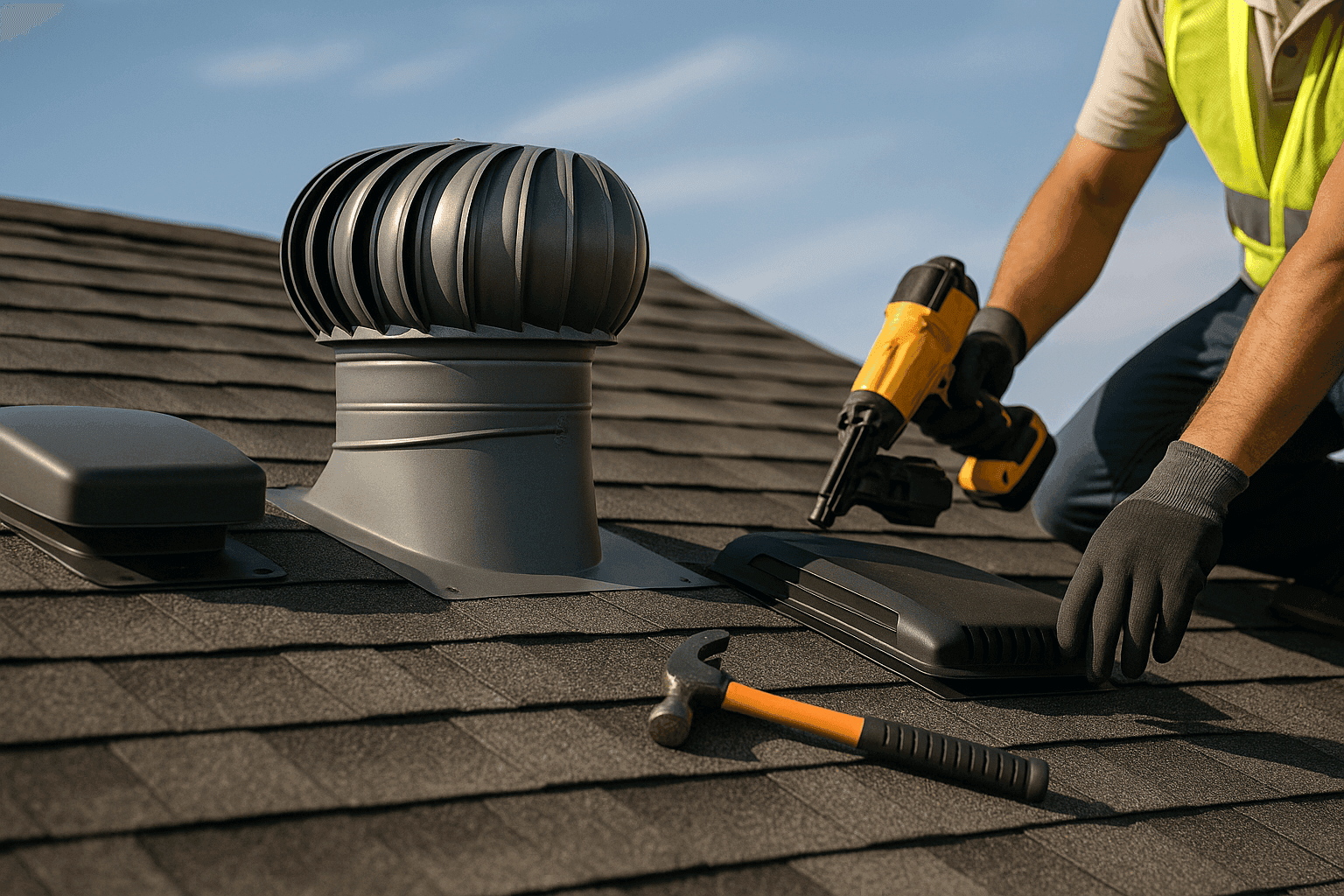
Is your attic stifling in summer and icy cold in winter? Does your roof seem to age overnight? You’re not alone. Many homeowners and small business owners overlook the silent hero above their heads: roof ventilation.
A well-ventilated roof is like lungs for your house. It lets your home breathe, keeps moisture at bay, and helps your roof last longer. At Scopulo Roofing, we see firsthand how the right system can make the difference between a roof that thrives and one that fails.
Why Roof Ventilation Matters
Roof ventilation isn’t just a technical detail. It’s a safeguard against mold, rot, and runaway energy bills. Think of your attic as the “buffer zone” between the weather outside and your living space. Without proper airflow, heat and moisture build up. That’s when trouble starts.
- Moisture control: Prevents mold, mildew, and wood rot.
- Energy efficiency: Keeps cooling and heating costs in check.
- Roof lifespan: Reduces shingle damage and structural stress.
- Comfort: Balances indoor temperatures year-round.
According to the International Residential Code (IRC), homes should have at least 1 square foot of ventilation for every 150 square feet of attic floor space. That’s not just a suggestion—it’s a standard for healthy, durable homes.
Types of Roof Ventilation Systems 🌀
Choosing the right system can feel like picking the best tool from a crowded toolbox. Here’s a breakdown of the most common options:
Ridge Vents
These run along the peak of your roof, blending in with the shingles. Ridge vents offer continuous airflow and are nearly invisible from the street.
Pros:
- Even, consistent ventilation
- Low maintenance
- Works well with soffit vents
Cons:
- Requires a ridge line (not for flat roofs)
- Needs proper balance with intake vents
Soffit Vents
Located under the eaves, soffit vents let cool air flow into the attic. They work best paired with ridge or roof vents.
Pros:
- Excellent for intake air
- Helps flush out hot air
Cons:
- Can get blocked by insulation
- Needs regular inspection
Gable Vents
Set on the end walls of the attic, these vents look like small windows or louvers.
Pros:
- Easy to install in gable-style roofs
- Adds classic curb appeal
Cons:
- Less effective for large or complex roof shapes
- Can allow wind-driven rain if not installed properly
Powered Ventilation
Electric or solar-powered fans actively pull air through the attic.
Pros:
- Moves lots of air quickly
- Useful for complex or low-slope roofs
Cons:
- Needs electricity (unless solar)
- Can draw conditioned air from the house if not sealed
How to Match the Right System to Your Home
Every roof is different. Your home’s age, shape, and climate all play a part. Here’s how to narrow it down:
- Steep, simple roofs: Ridge and soffit vents are usually best.
- Older homes with gable ends: Gable vents may be easiest.
- Flat or low-slope roofs: Powered fans or specialized vents work well.
- Humid climates: Focus on maximum airflow to fight moisture.
- Windy or rainy areas: Choose vents with baffles or weather protection.
A certified roofing specialist can help you weigh these factors. The U.S. Department of Energy recommends balancing intake and exhaust vents to keep airflow steady.
Quick Safety Checklist Before You Start
Before you climb into the attic or onto the roof, stop and review:
- Wear slip-resistant shoes and gloves.
- Use a sturdy ladder on level ground.
- Check for exposed nails or sharp edges.
- Watch for electrical wiring near vents and fans.
- Never work alone—always have someone nearby.
If you’re not comfortable with heights or attics, it’s safer to call in professionals.
DIY vs. Call a Pro
Some ventilation upgrades look easy—until you’re halfway through and run into trouble. Here’s what to consider:
DIY is possible if:
- You’re adding soffit or gable vents to accessible areas.
- The attic is free of hazards (mold, pests, damaged insulation).
- You have basic carpentry skills and safety gear.
Call a pro if:
- Your roof is steep, high, or complex.
- You need to cut into the roof deck or shingles.
- There’s visible mold, rot, or water damage.
- You’re unsure about attic insulation or wiring.
Professional roofers like Scopulo Roofing are trained to spot issues before they become emergencies. They also follow manufacturer specs and building codes, so your warranty stays intact.
What Pros Do On Arrival
When a roofing crew shows up, here’s what to expect:
- Inspection: They’ll check attic airflow, insulation, and existing vents.
- Moisture scan: Using tools like moisture meters or infrared cameras.
- Ventilation calculation: Measuring attic size and calculating vent needs.
- System recommendation: Suggesting the best vent types and placement.
- Installation: Cutting, sealing, and securing vents per code.
- Cleanup: Removing debris and checking for leaks.
Certified teams follow OSHA safety standards and local building codes for every job.
Prevention & Maintenance Tips
Ventilation isn’t a “set it and forget it” deal. Here’s how to keep your system humming:
- Check vents twice a year. Look for blockages from leaves, nests, or insulation.
- Clear soffit vents. Gently vacuum or brush away dust and cobwebs.
- Inspect after storms. High winds can dislodge covers or clog vents.
- Monitor attic humidity. Use a hygrometer; aim for 30–50% relative humidity.
- Seal attic bypasses. Gaps around pipes or lights can leak air and moisture.
Routine maintenance helps you avoid emergency roofing calls when you least expect them.
Costs & Time Factors
Ventilation upgrades range from a quick afternoon to a full-day project. Here’s what impacts the cost:
- Vent type and number: Ridge and powered vents cost more than gable or soffit vents.
- Roof height and pitch: Steeper roofs are harder (and pricier) to work on.
- Existing damage: Mold, rot, or insulation repairs add time and expense.
- Material quality: Metal vents last longer but cost more than plastic.
Expect to budget for both materials and professional labor. Investing in quality ventilation pays off in lower energy bills and fewer emergency roofing repairs down the line.
When It’s an Emergency 🚨
Sometimes, poor ventilation causes sudden leaks, ice dams, or even ceiling collapse. Warning signs include:
- Water stains on ceilings or walls
- Moldy smells in the attic or upper rooms
- Shingles curling or blistering
- Ice buildup on the roof edge in winter
If you spot these, act fast. Emergency roofing services can stop further damage and protect your home. Don’t wait for the next storm.
FAQ: Roof Ventilation
How do I know if my attic is properly ventilated?
Look for even attic temperatures, no musty smells, and no signs of condensation or mold. If your attic feels like a sauna in summer or a freezer in winter, airflow may be lacking.
Can too much ventilation be a problem?
Yes. Too many vents can disrupt airflow or let in rain and pests. It’s about balance—follow the 1:150 rule from the International Residential Code.
Will better ventilation lower my energy bills?
Absolutely. By removing trapped heat in summer and moisture in winter, your HVAC system won’t have to work as hard.
Are powered attic fans worth it?
They can help in certain situations, especially for complex or low-slope roofs. But they must be installed with care to avoid drawing conditioned air from your living space.
Special Considerations for This Service
- Insulation matters: Good ventilation and insulation work together. Don’t block soffit vents with insulation.
- Roof type: Metal, shingle, tile, and flat roofs each have unique venting needs.
- Eco-friendly options: Solar-powered fans and recycled materials are available.
- Building codes: Always check current codes and manufacturer instructions before making changes.
- New construction: Plan ventilation during design, not after the roof goes on.
A well-designed ventilation system is like a tailored suit—it fits your home, your climate, and your needs.
Call Scopulo Roofing now — or reach us anytime at 877-884-4941 .