How to Extend Your Roof’s Lifespan with Preventative Maintenance
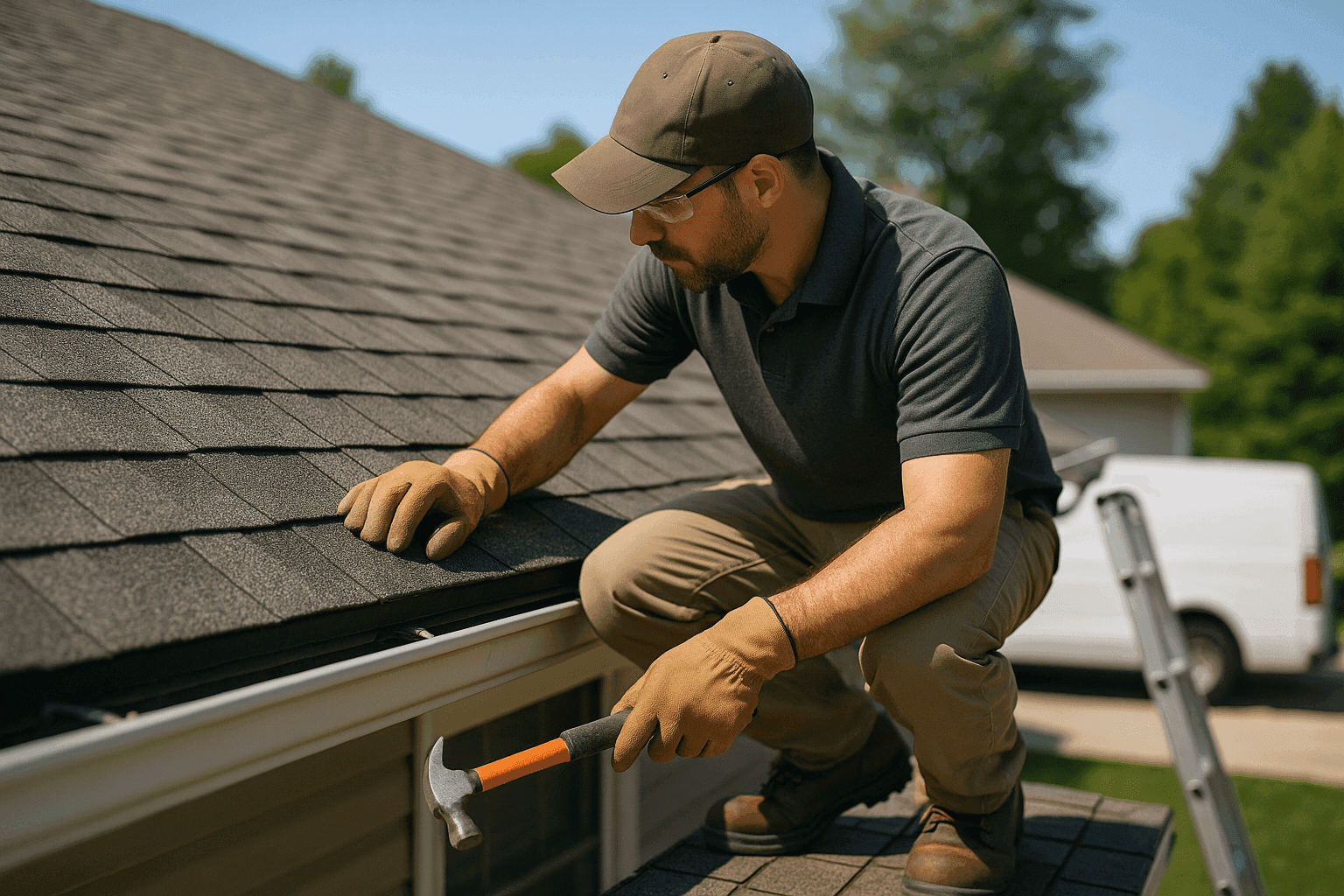
Is your roof quietly aging above your head? Most of us don’t think about it until something goes wrong—a leak during a storm, a shingle in the yard, or a mysterious drip in the attic. But your roof is like the shield of your home or business. It works around the clock, facing sun, wind, rain, and snow. And just like any shield, it needs care to last.
At Scopulo Roofing, we know the headaches that emergency roofing problems can bring. That’s why preventative maintenance isn’t just a buzzword for us—it’s a way to help you avoid costly surprises and keep your property safe, dry, and comfortable.
Why Preventative Maintenance Matters 🛡️
Imagine your roof as a hardworking umbrella. It keeps you dry, but only if you check for tiny holes before the downpour. Preventative maintenance is your chance to catch those “tiny holes”—the small issues that, left unchecked, can turn into big, expensive headaches.
Here’s why it makes a real difference:
- Cost Savings: Small repairs cost far less than a full roof replacement. According to the National Roofing Contractors Association, routine maintenance can double the lifespan of your roof.
- Safety: Loose shingles or clogged gutters can lead to water damage, mold, or even structural issues. These risks grow the longer they’re ignored.
- Peace of Mind: Regular checkups mean fewer surprises. You’ll know your roof is ready for whatever the weather throws at it.
- Property Value: Well-maintained roofs boost curb appeal and value—important if you ever decide to sell.
Whether you own a cozy home or a bustling small business, a little care now can save a lot later.
Essential Maintenance Tasks
Preventative roof care isn’t complicated, but it does require consistency. Here are the key tasks every homeowner or business owner should keep on their radar:
1. Inspections
- Visual Checks: Walk around your property and look for missing, curling, or cracked shingles. Use binoculars for a closer look—no need to climb up if you’re not comfortable.
- Attic Scans: Peek inside your attic for water stains, mold, or sunlight peeking through—these are red flags.
- Professional Inspections: Schedule a pro inspection at least once a year. Scopulo Roofing’s team can spot issues you might miss.
2. Gutter Cleaning
- Remove Debris: Clogged gutters can overflow, sending water where it shouldn’t go. Clean them out at least twice a year.
- Check Downspouts: Make sure water flows freely away from your foundation. Downspout installation and repair is key for long-term roof health.
3. Sealant and Flashing Checks
- Sealants: Look for cracked or peeling sealant around chimneys, skylights, and vents. These are common leak points.
- Flashing: Metal strips around roof features should be flat and rust-free. Damaged flashing is a common cause of emergency roofing calls.
4. Ventilation and Insulation Assessment
- Breathe Easy: Proper attic ventilation prevents heat and moisture buildup, which can warp your roof deck or cause ice dams.
- Insulation: Adequate insulation helps regulate temperature and keeps energy bills in check.
5. Moss and Algae Control
- Keep It Clean: Moss and algae trap moisture, which can rot shingles. Use a gentle brush or call professionals for eco-friendly removal.
Seasonal Maintenance Tips
Like caring for a garden, your roof needs different attention as the seasons change. Here’s how to stay ahead:
Spring
- Clear Debris: Winter storms can leave behind branches, leaves, and dirt. Clear these off your roof and gutters.
- Inspect for Damage: Look for signs of winter wear—cracked shingles, loose flashing, or ice dam remnants.
Summer
- Check for UV Damage: Hot sun can dry out and curl shingles. Look for brittle spots.
- Trim Overhanging Branches: Prevent falling limbs and keep critters away.
Fall
- Leaf Removal: Falling leaves clog gutters fast. Clean them out before the first frost.
- Check Sealants: Make sure all joints and penetrations are watertight before winter.
Winter
- Monitor for Ice Dams: Watch for icicles or heavy snow buildup. These can force water under shingles.
- Quick Checks After Storms: High winds or snow can cause sudden damage. If you spot anything off, call for emergency roofing help.
How to Spot Early Signs of Roof Damage 👀
Catching problems early is like noticing a squeaky wheel before it falls off. Here’s what to watch for:
- Water Stains on Ceilings or Walls: Often the first sign of a leak.
- Granules in Gutters: If you see lots of shingle granules, your roof may be aging.
- Sagging Roofline: This could signal structural issues—don’t wait to investigate.
- Rusty or Loose Flashing: Flashing protects the most vulnerable parts of your roof.
- Mold or Moss Growth: These can trap moisture and speed up decay.
- Missing or Damaged Shingles: Even one missing shingle can let water in.
If you notice any of these, don’t ignore them. Small fixes now can prevent big, costly repairs later.
When to Call a Professional
Some roof work is safe for handy homeowners, but certain situations need a pro’s touch. Here’s when to pick up the phone:
- Active Leaks: Water coming in during a storm? That’s an emergency roofing situation.
- Storm Damage: After heavy wind, hail, or falling debris, get your roof checked.
- Visible Sagging or Structural Issues: These can be dangerous—don’t climb up yourself.
- Major Gutter or Downspout Problems: If water isn’t draining, call for help before foundation issues start.
- Skylight or Chimney Flashing Issues: These features are leak magnets if not sealed right.
- Routine Inspections: Annual professional inspections catch hidden problems.
Scopulo Roofing is available 24/7 for emergencies and scheduled maintenance. Our team is trained to handle everything from shingle repairs to metal, tile, and flat roofs.
Actionable Tips to Protect Your Roof
- Schedule regular inspections—don’t wait for leaks.
- Keep gutters and downspouts clear.
- Trim trees and remove debris from your roof.
- Check attic ventilation and insulation.
- Use eco-friendly treatments for moss and algae.
- Address minor repairs quickly—don’t let them grow.
Frequently Asked Questions
How often should I have my roof inspected?
The National Roofing Contractors Association recommends at least one professional inspection every year, plus a quick check after major storms.
Can I do roof maintenance myself?
Some tasks—like cleaning gutters or checking for visible damage—are safe for most people. But anything involving heights, structural repairs, or electrical components should be left to professionals.
What’s the lifespan of a typical roof?
It depends on the material. Asphalt shingles last 15–30 years, metal roofs can go 40–70 years, and tile or slate can last even longer with proper care.
Are eco-friendly roofing options available?
Yes! Scopulo Roofing offers environmentally friendly materials, sealants, and coatings to help reduce your environmental footprint.
Special Considerations for Roof Maintenance
- Flat Roofs: Require extra attention to pooling water and membrane seams.
- Metal Roofs: Watch for rust and loose fasteners.
- Tile Roofs: Tiles can crack but are easy to replace individually.
- Commercial Properties: Larger surface area means more regular inspections are needed.
- New Construction: Early maintenance sets the stage for decades of protection.
Always follow Occupational Safety and Health Administration (OSHA) guidelines for ladder safety and roof access. If you’re unsure, stay off the roof and call a professional.
Your roof is your first line of defense. With a little attention and the right help, it can protect your investment for decades. Don’t wait for a drip to become a flood—give your roof the care it deserves.
Call Scopulo Roofing now — or reach us anytime at 877-884-4941 .