How to Safely Inspect Your Roof After a Storm
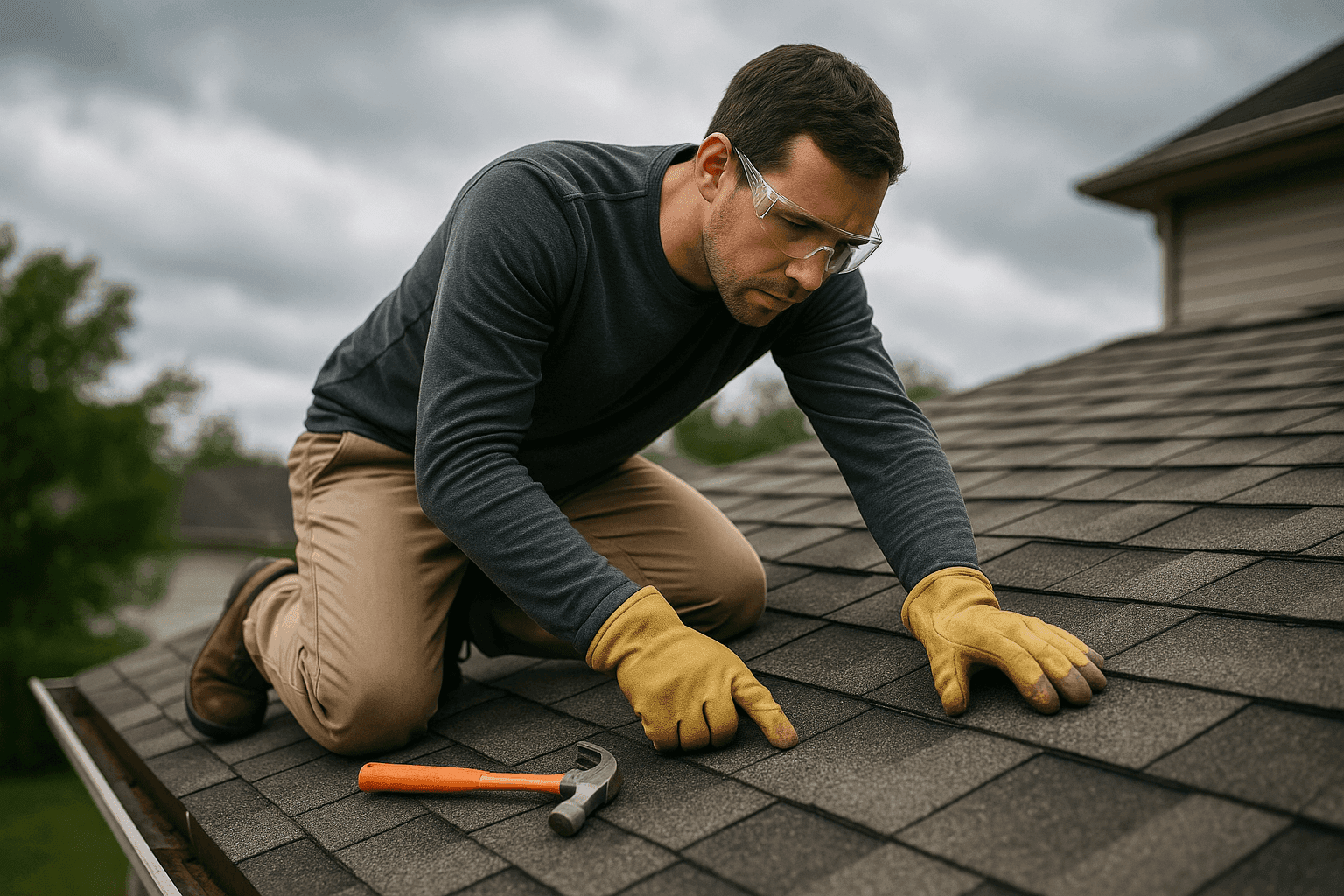
When a storm rolls through, your roof takes the brunt of it—wind, rain, hail, and flying debris. You’re left wondering: Is my home still safe? Should I climb up and check, or call someone now?
At Scopulo Roofing, we know that the hours after severe weather can feel overwhelming. But acting quickly—and safely—can mean the difference between a minor fix and major repairs. Here’s how to inspect your roof after a storm, spot warning signs, and understand when it’s time for professional emergency roofing help.
Preparing for a Roof Inspection After a Storm 🏠
Before you even think about grabbing a ladder, take a breath. Safety is your top priority. Roofs can be slippery, damaged, or unstable after storms. Preparation is half the battle.
Start here:
- Wait until the weather has fully cleared. Never inspect during lightning, high winds, or heavy rain.
- Gather basic supplies: sturdy shoes with good grip, gloves, a flashlight, binoculars, your phone, and a notepad.
- Let someone know you’re inspecting the roof. Better yet, have them nearby in case you need help.
Why prep matters:
The National Roofing Contractors Association (NRCA) recommends always using caution and never working alone on a roof after storm damage. Even experienced pros take extra steps to protect themselves.
Safety Tips to Avoid Injury
The roof is no place for shortcuts. Think of it like walking across a frozen pond—you want to test every step before you take it.
Follow this quick safety checklist:
- Inspect from the ground first. Use binoculars to spot obvious trouble areas.
- Check for downed power lines or tree limbs. Never approach or touch them—call the utility company.
- Use a sturdy, well-placed ladder. Make sure it’s on level ground and extends at least 3 feet above the roof edge.
- Wear non-slip shoes and gloves. Avoid sandals or anything slick.
- Don’t walk on wet or icy surfaces. Even a little moisture can turn shingles into a skating rink.
- Have a spotter. Someone should be nearby to steady the ladder or call for help if needed.
- Avoid steep or high roofs. If your roof is more than one story, or has a steep pitch, stay off.
Refer to OSHA’s ladder safety guidelines for more details on proper ladder use.
Common Signs of Storm Damage to Spot
Storms leave clues behind. Some are obvious; others hide in plain sight. Here’s what to look for:
From the Ground
- Missing or curled shingles: Look for dark patches or uneven lines.
- Shingle granules in gutters or on the ground: Like sand after a beach trip, this signals wear.
- Damaged gutters or downspouts: Bent, detached, or clogged by debris.
- Sagging or uneven roofline: Indicates possible structural damage.
- Visible holes or punctures: From branches or hail.
Up Close (If Safe)
- Cracked, broken, or bruised shingles
- Loose or damaged flashing: Especially around chimneys, skylights, or roof edges.
- Water stains in the attic or ceiling: Check inside for damp spots or peeling paint.
- Wet insulation: Signals a leak above.
- Mold or mildew smells: A sign moisture is getting in.
If you spot any of these, document them with photos and notes. This helps with insurance claims and repairs.
DIY vs. Call a Pro
It’s tempting to fix things yourself. Sometimes, that’s okay for small, obvious issues. But storms can cause hidden damage that only shows up later—like a bruise beneath the skin.
DIY is okay for:
- Clearing small branches or leaves from the roof (if you can do so safely)
- Checking gutters for blockages
- Taking photos for insurance
Call a professional emergency roofing team for:
- Any sign of major leaks, sagging, or structural damage
- Large or high roofs you can’t safely reach
- Persistent water stains or mold inside
- Damaged skylights, chimneys, or flashing
- If you feel unsure or unsafe at any point
Remember: Professional roofers have safety equipment, training, and a trained eye for hidden problems. At Scopulo Roofing, we’re available 24/7 for emergency assessments.
What Pros Do On Arrival
When a roofing team arrives, they bring more than a ladder. Here’s what to expect:
- Thorough inspection: Inside and out, using specialized tools
- Moisture detection: Identifying leaks you might not see
- Structural assessment: Checking decking, support beams, and insulation
- Immediate temporary repairs: Tarping or sealing to prevent more damage
- Documentation: Detailed notes and photos for insurance
- Recommendations: Honest advice about repair or replacement
Pros follow industry safety standards and codes, such as those from the International Building Code (IBC) and NRCA guidelines.
Prevention & Maintenance
The best way to handle storm damage is to prepare before it hits. A healthy roof weathers storms better—literally.
Tips for prevention:
- Schedule regular inspections: At least twice a year, or after major storms.
- Keep gutters and downspouts clear: Prevent water buildup and ice dams.
- Trim overhanging branches: Less risk of falling limbs.
- Check attic ventilation and insulation: Reduces moisture and heat buildup.
- Seal and coat vulnerable areas: Especially around flashing, skylights, and vents.
- Consider impact-resistant shingles or metal roofing: These options stand up better to hail and wind.
Routine maintenance can catch small issues before they become big headaches.
Costs & Time Factors
Roof repairs after a storm can range from a quick fix to a major project. Here’s what affects the cost and timeline:
- Extent of damage: A few missing shingles vs. structural issues
- Roof type: Shingle, tile, metal, or flat roofs all have different needs
- Materials needed: Some may be in short supply after widespread storms
- Labor and safety precautions: Emergency services may cost more, especially after hours
- Insurance claims: Processing can add time, but documentation helps speed things up
Most minor repairs can be handled in a day or two. Larger jobs, especially those involving replacement or structural work, may take longer.
When It’s an Emergency
Some situations call for immediate action. Don’t wait if you notice:
- Water pouring into your home
- Ceiling collapse or severe sagging
- Exposed electrical wiring or fire risk
- Large holes or missing sections of roof
- Downed power lines on your roof
In these cases, leave the area and call emergency services first—then contact Scopulo Roofing for 24/7 emergency roofing help. Your safety comes first.
FAQ
Can I walk on my roof after a storm?
Only if it’s absolutely safe—dry, stable, and low-pitched. Even then, use extreme caution. Many injuries happen after storms when homeowners try to inspect or repair roofs themselves.
Will insurance cover storm damage?
Most property insurance policies cover sudden storm damage, but requirements vary. Documentation is key—photos, notes, and professional inspection reports help with claims.
How soon should I inspect my roof after a storm?
As soon as it’s safe and the weather has cleared. Early detection can prevent further damage, especially if water is getting in.
What if I can’t see any damage?
Not all damage is visible from the ground. Hidden leaks or weakened structures may show up weeks later. If in doubt, or if the storm was severe, schedule a professional inspection.
Special Considerations for This Service
Storms don’t care if it’s midnight or midday. That’s why Scopulo Roofing offers 24/7 emergency roofing services for homeowners and small business owners. Our team is trained to handle everything from minor leaks to major structural repairs, always following industry safety standards.
We also offer eco-friendly options, preventative maintenance, and help with insurance documentation. Whether you have a shingle, metal, tile, or flat roof, our pros know what to look for and how to keep your property safe.
Call Scopulo Roofing now — or reach us anytime at 877-884-4941 .