How to Prepare Your Roof for Severe Weather: A Homeowner’s Guide
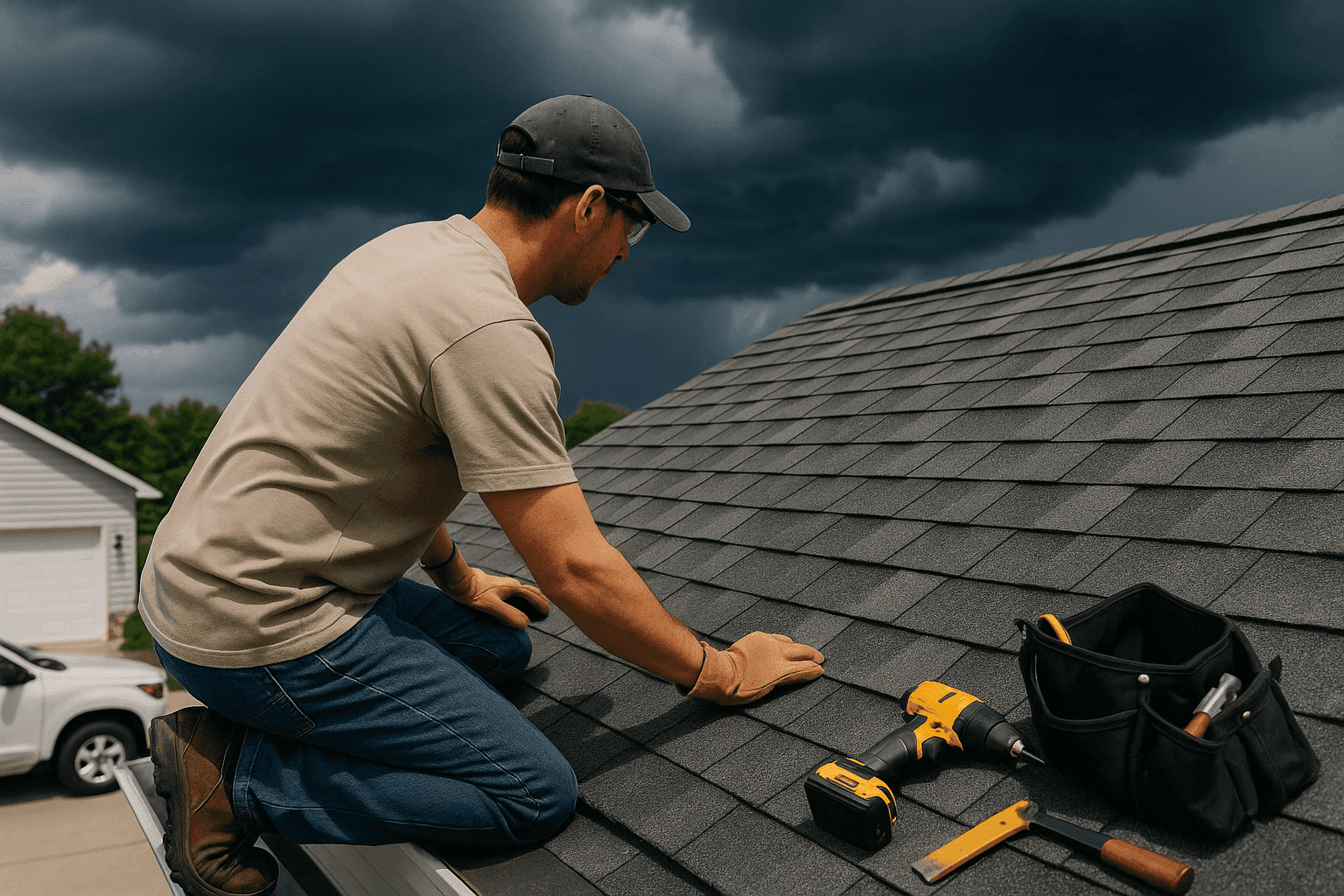
When storm clouds gather, your roof is the frontline defender. It shields your family, your business, and everything inside from rain, wind, and hail. But even the sturdiest roof can be caught off guard if it’s not ready for what’s coming.
Think of your roof as a helmet. A small crack or loose strap can make all the difference in a fall. The same goes for shingles, gutters, and flashing when a storm hits. Preparing now can save you from costly emergency roofing calls and sleepless nights.
Why Roof Preparation Matters
Severe weather doesn’t schedule appointments. It arrives suddenly—sometimes with little warning. High winds can rip off shingles. Heavy rain can find the tiniest crack and turn it into a waterfall. Hail can bruise your roof’s surface, opening the door for leaks.
The National Roofing Contractors Association (NRCA) and the International Code Council (ICC) both stress regular inspections and maintenance to reduce the risk of catastrophic failures. A little prevention can mean the difference between a quick fix and a major repair job.
Quick Roof Safety Checklist Before Storms ⛈️
Before the wind howls, run through this list. It’s your safety net:
- Check for loose or missing shingles: Look for anything that’s curling, cracked, or absent.
- Inspect gutters and downspouts: Make sure they’re clear of leaves, twigs, and debris.
- Look for damaged flashing: Around chimneys, skylights, and vents—these are leak magnets.
- Check attic insulation and ventilation: Poor airflow can turn a small leak into a major mold problem.
- Trim back overhanging branches: Wind can turn them into battering rams.
- Secure outdoor items: Patio furniture or grills can become airborne hazards.
- Peek inside for water stains: Yellow or brown marks on ceilings or walls signal trouble above.
DIY Checks vs. When to Call for Help
You don’t need a ladder to spot trouble. Grab binoculars and walk your property. Look for:
- Shingle granules in gutters (like sand after a day at the beach)
- Sagging gutters or water spilling over the edge
- Rusty or separated flashing
- Moss or algae growth
If you spot any of these, it’s time to call in the pros. Some repairs—like sealing flashing or replacing shingles—require special tools and training. And climbing on a wet or steep roof is risky business.
What Roofing Pros Do On Arrival
When Scopulo Roofing arrives, we bring more than a toolbox. Here’s what happens:
- Thorough inspection: We check every inch, from the ridge to the gutters, inside and out.
- Moisture detection: Using specialized tools, we find hidden leaks or trapped water.
- Detailed assessment: We identify urgent issues—missing shingles, compromised flashing, clogged downspouts, and more.
- Temporary protection: If a storm is imminent, we install tarps or sealants to keep water out until full repairs can be made.
- Clear communication: We explain what we find and outline next steps, so you’re never in the dark.
Prevention & Maintenance: Your Roof’s Shield
Routine care is like regular oil changes for your car. It keeps things running smoothly and catches problems early.
Seasonal Roof Inspection Checklist
- Spring: Clear winter debris, check for ice dam damage, inspect attic for leaks.
- Summer: Look for sun damage, check ventilation, clean gutters after storms.
- Fall: Remove leaves, check flashing, prep for snow or heavy rain.
- Winter: Watch for ice build-up, inspect after major storms, keep gutters clear if safe.
Preventative Steps
- Clean gutters and downspouts: Water needs a clear path off your roof.
- Seal potential leak points: Use roof-grade sealant around vents, skylights, and chimneys.
- Maintain insulation and ventilation: Keeps moisture and heat in check, reducing risk of mold or ice dams.
- Schedule regular inspections: At least once a year, or after major storms.
The Insurance Institute for Business & Home Safety (IBHS) recommends these steps to reduce storm-related damage and prolong roof life.
Costs & Time Factors
Roof maintenance and repairs don’t have to break the bank. Here’s what to expect:
- DIY checks: Free, except for your time.
- Professional inspection: Usually takes 1–2 hours, with costs varying based on roof size and materials.
- Minor repairs (shingles, flashing, sealant): Can often be completed in a single visit.
- Major repairs or replacements: May take several days, especially after severe weather or if structural issues are found.
Investing in regular upkeep is far less expensive than emergency roofing repairs after a storm.
When It’s an Emergency
Sometimes, the weather wins. Here’s when to call for emergency roofing help:
- Sudden leaks or water pouring in
- Visible holes or missing sections of roof
- Severe hail or wind damage
- Downed trees or large branches on the roof
- Sagging or collapsing roof sections
If it’s unsafe to stay in your home or business, prioritize everyone’s safety first. Then call for emergency roofing services right away.
FAQ: Roof Prep & Storms
How often should I inspect my roof?
At least twice a year—before storm season and after major weather events.
What are the most common signs of roof damage?
Missing or loose shingles, water stains inside, granules in gutters, sagging gutters, and damaged flashing.
Can I fix a small leak myself?
Temporary fixes like tarps or sealant can help in a pinch, but professional repairs are safest and most durable.
Does insurance cover storm damage?
Most policies cover sudden, accidental damage from storms. Check your policy and document everything with photos.
Special Considerations for Roof Prep
- Flat roofs: Extra prone to pooling water. Ensure drains are clear and check for membrane cracks.
- Metal roofs: Watch for loose fasteners and rust, especially after hail.
- Tile roofs: Look for cracked or slipped tiles—these can let water in fast.
- Skylights and chimneys: These are common leak entry points. Inspect seals and flashing closely.
- Eco-friendly options: Green roofs and solar panels need special care—check manufacturer guidelines.
No matter your roof type, regular attention keeps the weather outside where it belongs.
Storms don’t wait. Protect your home, your business, and your peace of mind. Call Scopulo Roofing now — or reach us anytime at 877-884-4941 .